

Key Takeaways
Compare the daily cost of vacancy with the long-term impact of a rent reduction before changing your asking price.
Review recently leased comparable properties in San Diego to confirm your pricing reflects current market conditions rather than competing listings alone.
Improve your listing presentation and monitor showing activity before making measured pricing adjustments that support your long-term investment goals.
Your San Diego rental property has been on the market for three weeks. The photos look great, the home is clean, and you have hosted several showings, but no one has submitted an application.
Now you face a decision that many rental property owners encounter: should you maintain your original asking rent and wait for the right applicant, or reduce the price to attract interest and fill the vacancy sooner?
This decision can have a significant impact on your rental income. Every day a property remains vacant means lost rent that cannot be recovered, while expenses continue. However, lowering the rent reduces your monthly income throughout the lease term and may influence future renewal rates.
The best approach depends on your property's financial needs, local market conditions, and rental goals.
This guide from Harcourts Avanti explores how San Diego rental property owners can weigh the cost of a longer vacancy against the long-term impact of reducing rent.
Want to see what a San Diego investment property could earn?
Why Vacancy Costs More Than Most Owners Realize
Many property owners think of vacancy as a temporary period without rental income. In reality, an empty property can create several expenses simultaneously.
In addition to losing rent, owners must continue paying fixed ownership costs and may need to cover additional utilities and advertising expenses. Extended vacancies can also make prospective renters wonder why a property has not been leased, potentially making it harder to attract applications.
Looking at vacancy in terms of individual days can help clarify the financial impact. A rental property that earns a consistent monthly rent loses approximately one-thirtieth of that income for every day it remains unoccupied, assuming a 30-day month.
Even a short delay can offset some of the additional income an owner hoped to earn by maintaining a higher asking price.
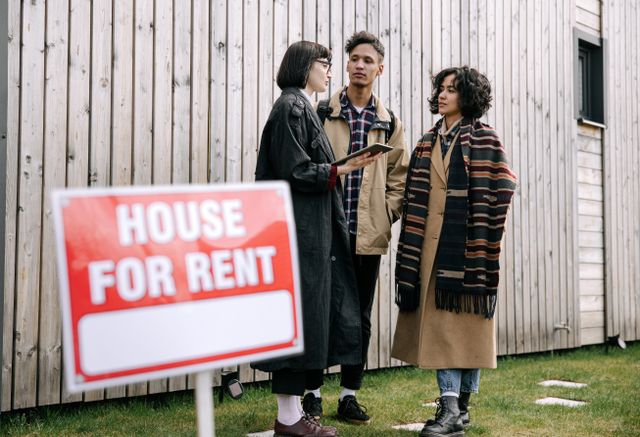
Understanding the full cost of vacancy makes it easier to evaluate whether waiting for a higher-paying resident is financially worthwhile.
What Lowering the Rent Actually Costs
Reducing the asking rent may help attract applicants more quickly, but the financial impact continues throughout the lease. A modest monthly reduction can add up over a year, and the difference becomes even greater if the resident renews for several years.
A lower starting rent can also affect future renewal negotiations because subsequent increases typically build on the existing rental rate, subject to applicable laws and market conditions.
While a price reduction may help minimize immediate vacancy losses, owners should consider how the decision could influence their long-term rental income.
Rather than relying on instinct, compare the potential cost of a rent reduction with the income you could lose by waiting. A straightforward financial calculation can help identify which option is likely to make more sense for your property.
Compare Your Property With Recently Leased Rentals
When evaluating your asking rent, avoid basing your decision solely on the highest-priced properties currently advertised nearby. Asking prices do not necessarily reflect what renters are ultimately willing to pay.
Instead, review recently leased properties with similar locations, sizes, layouts, conditions, and amenities.
Consider how long those homes took to rent and whether they offered features that make them more attractive to prospective residents.
Factors such as parking availability, in-unit laundry, outdoor living space, proximity to the coast, and pet policies can influence rental appeal.

A property without certain desirable features may need a more competitive asking rent to attract the same level of interest.
How Seasonality Affects San Diego Rental Demand
Rental demand in San Diego can fluctuate throughout the year. Warmer months may bring increased moving activity as households coordinate relocations with school calendars, new jobs, or other personal commitments.
The time of year can influence how long it takes to find a suitable resident. If you list during a traditionally slower period, allowing additional time to attract applicants may be reasonable, provided your finances can support the vacancy.
Learn how our team helps San Diego investors protect and grow their rentals
However, seasonality should not become a reason to ignore weak market signals. If comparable homes are leasing quickly and your property continues to receive little interest, the asking rent or listing presentation may need attention regardless of the season.
Create a Practical Pricing Strategy
A structured approach can help you avoid making rushed decisions or allowing a vacancy to continue without reassessing your strategy. Start by establishing an initial asking rent based on comparable properties, your home's features, and current market conditions.
During the first stage of marketing, monitor inquiries, showing requests, and feedback from prospective renters.
If activity is limited, review the listing's photography, description, and accessibility for showings before changing the price. If those elements are strong but interest remains weak, consider a measured rent adjustment based on the available market evidence.
Continue reviewing the property's performance after making changes. Small, timely adjustments may help you respond to market conditions before vacancy costs become substantial.

Waiting too long to address an overpriced listing can lead to a longer vacancy followed by a more significant rent reduction.
When Maintaining the Asking Rent Makes Sense
Holding firm on the asking rent can be reasonable when market conditions support your price and the property is receiving consistent interest from qualified applicants.
If comparable rentals are priced similarly, showings are progressing well, and you have good reason to expect a suitable application, allowing more time may be worthwhile.
Patience may also make sense when you can comfortably cover the carrying costs of a longer vacancy and prioritize finding a resident who is likely to remain in the property for an extended period.
A strong long-term tenancy can help reduce turnover expenses and repeated periods without rental income.
However, maintaining a higher asking rent is less attractive when interest has stalled and comparable homes are leasing at lower rates.
Before deciding to wait, consider how much additional income you might realistically gain and whether that amount justifies the cost of continued vacancy.
When Reducing the Asking Rent Makes Sense
Reducing the asking rent may be the better option when the property has been available longer than comparable rentals, qualified applicants are not materializing, and your listing presentation is already competitive.
The decision becomes more compelling when ongoing ownership expenses are substantial and each additional vacant day creates a meaningful financial burden.
A modest reduction may also help when you are approaching a desired lease start date or expect rental demand to slow. In these circumstances, accepting slightly less monthly income may be preferable to losing an entire period of rent while continuing to pay property expenses.

The goal is not to offer the lowest rent in the neighborhood. Instead, choose a competitive price that reflects the property's value and supports your long-term investment objectives.
Bottom Line
Deciding whether to accept a longer vacancy or reduce your asking rent requires a careful comparison of lost rental income, ongoing expenses, market demand, and long-term financial goals.
By reviewing comparable rentals, tracking listing performance, and considering cost-effective improvements, San Diego property owners can make informed pricing decisions that support their investment.
Need help pricing your San Diego rental property? Contact Harcourts Avanti today to learn how professional property management can help.
Want to see what a San Diego investment property could earn?
Frequently Asked Questions About Accepting a Longer Vacancy vs. Reducing the Asking Rent
Should I Lower My Rent Immediately If My Property Is Not Getting Applications?
Not necessarily. Before reducing the asking rent, review how your listing is performing by looking at inquiries, showings, and feedback from prospective renters. If interest is low, updating your photos, description, or showing availability may improve results without affecting your long-term rental income.
If comparable San Diego rentals are leasing more quickly at similar prices, a measured adjustment may be worth considering after evaluating current market conditions and your property's unique features.
How Can I Tell If My Rental Is Priced Too High?
Compare your property with recently leased homes that are similar in size, condition, location, and amenities rather than relying only on active listings.
In San Diego, features such as parking, in-unit laundry, outdoor space, and proximity to major employment centers or the coast can influence rental appeal.
If comparable properties are leasing quickly while your listing receives limited interest or multiple showings without applications, it may indicate that your pricing or presentation needs to be reevaluated.
What Costs Should I Consider When Comparing Vacancy and Rent Reductions?
Look beyond lost monthly rent and include ongoing ownership costs such as mortgage payments, property taxes, insurance, utilities, and advertising expenses that continue while the property is vacant. Also consider turnover costs and the potential long-term impact of starting a lease at a lower rental rate.
Comparing these expenses against the projected income difference over the lease term can help you determine whether maintaining your current price or making a modest adjustment is the more practical financial decision.
Does Seasonality Affect Rental Pricing in San Diego?
Yes, seasonal trends can influence rental demand, although activity varies by neighborhood and property type. Warmer months often bring increased moving activity, while certain areas may also be affected by university calendars, military relocations, and local employment patterns.
If your property is listed during a slower period, allowing additional marketing time may be reasonable. However, if demand is strong and comparable rentals are leasing quickly, pricing and listing presentation deserve closer attention before waiting indefinitely.
How Can Harcourts Avanti Help Me Price My Rental Property?
Harcourts Avanti can help property owners evaluate their rental pricing by considering current market conditions, comparable leased properties, and the property's features before making pricing decisions.
Professional property management can also help monitor listing performance, coordinate marketing efforts, and recommend adjustments based on market activity.
If you're deciding whether to hold your asking rent or make a strategic adjustment, contacting Harcourts Avanti can help you make a more informed decision for your San Diego investment property.