
Key Takeaways
- Successfully renting out a home in San Diego starts with clearly defining your financial goals, preparing for ongoing ownership costs, and pricing the property competitively in a high-demand market.
- California’s landlord-tenant laws are complex and frequently updated, making it essential for landlords to understand requirements around habitability, rent control, security deposits, fair housing, and eviction procedures.
- Partnering with Harcourts Avanti Property Management helps streamline leasing, tenant screening, rent collection, maintenance, and legal compliance, reducing risk while protecting long-term rental performance.
Renting out a home in San Diego can be a strong way to generate income in one of California’s most in-demand housing markets. With its coastal appeal, steady job growth, and year-round livability, San Diego attracts a wide range of renters, from professionals and families to military personnel and students.
Turning your property into a rental, however, requires a structured approach. California has some of the most detailed landlord-tenant regulations in the country, and overlooking key requirements can lead to delays, disputes, or financial penalties.
This guide from Harcourts Avanti Property Management walks through how to set up your rental properly while staying compliant with California law.
Top Tips for Renting Your House in San Diego, California
1. Define How You Want the Property to Perform
Before listing your home, it helps to clarify your objective. Some homeowners focus on maximizing monthly income, while others prioritize long-term appreciation or keeping the home for future use.
Your goal will shape how you approach pricing, lease terms, and tenant selection. It also helps you determine how involved you want to be in managing the property.
From a financial standpoint, rental income should be evaluated alongside all ongoing costs. Mortgage payments, property taxes, insurance, maintenance, and vacancy periods all impact your bottom line. A realistic outlook ensures your rental remains sustainable over time.
2. Prepare the Property to Meet California Standards
California law requires landlords to provide safe and habitable housing. Before advertising your San Diego property, make sure it meets these standards.
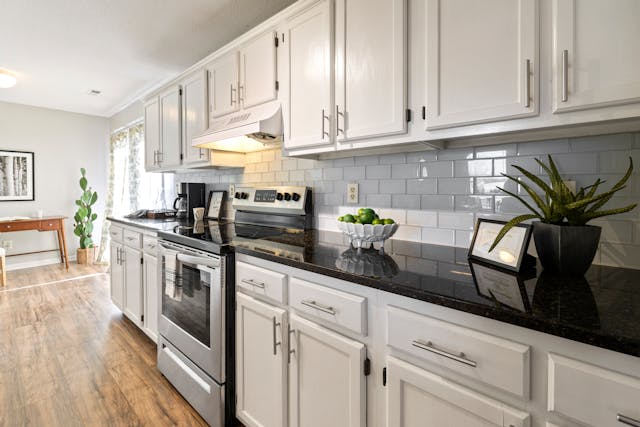
Essential systems such as plumbing, electrical, and heating must be in proper working condition. Windows and doors should be secure, and the property should be free from hazards that could affect tenant safety. Smoke detectors and other required safety features must be installed.
Beyond functionality, presentation matters. A clean, well-maintained home with neutral finishes tends to attract qualified tenants and can help justify competitive rent.
3. Position Your Rental in a Competitive Market
San Diego’s rental market is highly competitive, and pricing your home correctly plays a major role in how quickly it rents.
Instead of guessing, review comparable properties in your area. Consider factors such as proximity to the coast, access to major employers, and overall property condition. Features like updated interiors or outdoor space can also influence demand.
Pricing too high may lead to extended vacancies, while pricing too low can reduce your returns. A well-calibrated price helps you attract interest quickly and secure reliable tenants.
4. Understand California Landlord-Tenant Laws
California has comprehensive rental regulations that landlords must follow closely. These laws cover everything from rent limits to eviction procedures.
It’s important for all California landlords to understand the ins and outs of both state and local requirements for handling security deposits, rent control, eviction processes, and more.
California’s regulations are detailed and frequently updated, making it important to stay informed.

5. Build a Consistent Leasing Process
Leasing your property is about creating a repeatable process that reduces risk.
Start with strong marketing. High-quality photos and accurate descriptions help attract serious applicants. Responding quickly to inquiries and scheduling showings efficiently can also improve your results.
When reviewing applications, focus on consistency. Evaluate income, rental history, and overall reliability using the same criteria for each applicant. This approach helps ensure compliance with fair housing laws while ensuring qualified tenants.
6. Manage the Property With Structure
Once a tenant is in place, ongoing management becomes the focus. Rent collection, maintenance coordination, and communication all require consistency.
Setting up clear systems helps you stay organized. Knowing how maintenance requests will be handled and how payments will be tracked reduces confusion. It also allows you to respond more quickly when issues arise.
Staying updated on California rental laws is also part of managing a property. Regulations can change, and landlords are expected to remain compliant.
The Value of Professional Property Management
Handling a rental in California often involves more moving parts than many owners expect, especially with the level of oversight required for pricing, tenant placement, and compliance. Having a structured system in place can make a noticeable difference in how smoothly the property operates.
Working with a team like Harcourts Avanti Property Management allows property owners to streamline each stage of the rental process. From analyzing the local market and positioning the property effectively to coordinating showings and reviewing applicants, the focus stays on keeping the property occupied with qualified tenants.

Ongoing tasks are also handled with consistency. Rent collection, maintenance requests, and required notices are managed through established processes, helping reduce delays and miscommunication.
When situations require formal action, such as enforcing lease terms or addressing tenant issues, everything is handled in line with California requirements, allowing owners to stay protected without managing every detail themselves.
Why Legal Knowledge Is Essential in California
California’s landlord-tenant laws are among the most detailed in the country. Mistakes in handling deposits, rent increases, or eviction procedures can lead to delays or financial penalties. Understanding these laws helps you avoid disputes and operate your rental more effectively. Many landlords choose to work with property managers who stay updated on legal changes, ensuring compliance is maintained.
Bottom Line
Renting out your home in San Diego, CA offers strong income potential, but success depends on preparation, pricing, and strict adherence to California landlord-tenant laws.
Managing a rental property requires time, organization, and attention to detail. For homeowners who want a more structured and efficient approach, partnering with Harcourts Avanti Property Management can make a meaningful difference. With professional support, you can protect your investment and keep your rental operating smoothly in a highly regulated market.