
Key Takeaways
California habitability law requires landlords to fix conditions that make a rental unsafe or unlivable, and courts expect a faster response to those conditions than to routine repair requests.
True emergencies center on safety and habitability: no heat, no water, flooding, gas leaks, electrical hazards, and lockouts that leave a resident unable to secure the home.
Cosmetic issues, slow drips, and appliance quirks that don't threaten safety or habitability belong in the routine maintenance queue, not the emergency line.
A pipe bursts under the kitchen sink at 11 p.m. on a Friday in Solana Beach. Is that an emergency, or does it wait until Monday? Owners who are new to renting out a coastal home, especially those managing from out of state, often aren't sure where an urgent repair ends and a routine one begins.
Call every dripping faucet an emergency and you'll pay premium after-hours maintenance rates for problems that could wait. Treat a real gas leak or a flooded unit as routine, and you risk a resident's safety and your own liability.
Here's what legally and practically counts as emergency maintenance rental owners need to act on immediately, what response times to expect, and how Harcourts Avanti Property Management coordinates urgent repairs for owners across Solana Beach and North County.
Want to see what a San Diego investment property could earn?
What Legally Counts as an Emergency in California
California does not provide landlords with one universal checklist that identifies every possible maintenance emergency.
Instead, California's habitability requirements establish basic standards that rental housing must meet, including functioning plumbing, hot and cold water, heating, safe electrical systems, weatherproofing, and freedom from certain health and safety hazards.
When one of these essential systems fails or a condition creates an immediate safety concern, the situation may require an urgent response. An emergency generally involves a problem that could become significantly worse if left unresolved, threaten someone's safety, or prevent the property from providing a basic necessity.
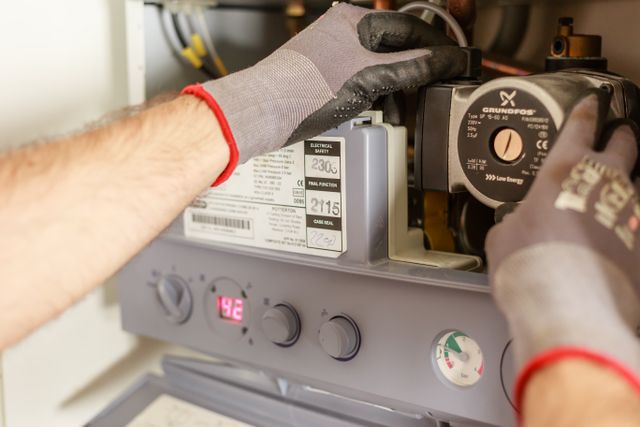
A dripping faucet or cosmetic defect may be inconvenient without creating an immediate threat. An uncontrolled water leak that is damaging floors, walls, or ceilings presents a very different situation and may require immediate intervention.
Common Emergency Maintenance Situations
Problems That May Require Immediate Attention
Certain maintenance problems are generally more urgent because they involve safety, significant property damage, or the loss of an essential service.
A complete loss of heat when heating is necessary, a loss of running water, active flooding, a suspected gas leak, exposed electrical wiring, sparking outlets, sewage backups, or a broken lock that prevents the property from being secured can all require prompt attention.
The appropriate response depends on the circumstances. For example, a plumbing issue that can be safely contained may be handled differently from a pipe that is actively flooding the property. The important consideration is whether delaying the repair could create a safety concern or allow significant damage to develop.
Problems That Can Usually Wait
Not every maintenance request needs after-hours service. A slow faucet drip, a loose cabinet door, cosmetic drywall damage, or an appliance that stops working without creating a safety issue will generally be treated differently from an active hazard.
A resident's lost key may also be handled differently from a broken lock that leaves the property unsecured. The circumstances surrounding the request matter when determining whether an issue should receive emergency attention.
Establishing these distinctions ahead of time helps owners and residents understand how maintenance requests will be prioritized.
How Quickly Should Emergency Repairs Be Addressed?
California does not establish one specific response time that applies to every emergency maintenance situation. The appropriate response depends on the seriousness of the problem and the circumstances involved.
A condition involving active flooding, a suspected gas leak, or an electrical hazard generally requires much faster action than a minor repair that does not affect safety or habitability. Problems involving essential services such as water or heat may also require prompt attention depending on the circumstances.
For rental owners, the practical goal should be to have a process that allows serious issues to be identified quickly and directed to an appropriate professional rather than allowing an urgent problem to remain unresolved simply because it was reported outside normal business hours.
Learn how our team helps San Diego investors protect and grow their rentals
How After-Hours Maintenance Is Coordinated
When an urgent maintenance request comes in, the first step is usually determining what is actually happening at the property. Questions about active water flow, gas odors, electrical hazards, security concerns, or loss of essential services can help establish the appropriate level of response.
Once the situation has been assessed, the appropriate vendor can be contacted. A property management company with established vendor relationships may be able to coordinate an available professional without requiring the owner to search for a contractor in the middle of the night.
For properties governed by an HOA, additional coordination may sometimes be necessary. A water intrusion or electrical issue involving a common area, for example, may require communication with building management in addition to addressing the condition inside the rental.

Owners should also receive appropriate information about the situation, recommended work, and completed repairs. Documentation such as photographs, invoices, and maintenance records can provide a useful record of how an issue was addressed.
Set Clear Emergency Expectations Before Move-In
A written maintenance policy can help prevent confusion about what qualifies as an emergency. Owners should establish clear instructions before a resident moves into the property so there is less uncertainty when a problem occurs after normal business hours.
The policy should explain which situations warrant emergency contact, how urgent requests should be reported, and what residents should do when an immediate safety concern occurs. It can also explain how non-emergency requests are handled during regular business hours.
Clear expectations serve both sides of the rental relationship. Residents know when to seek immediate assistance, while owners have a defined process for distinguishing genuine emergencies from routine maintenance.
When Maintenance Falls Into a Gray Area
Not every maintenance situation fits neatly into an emergency or routine category. An air-conditioning failure, for example, may have different implications depending on the weather and circumstances. A refrigerator that stops working may be inconvenient without presenting an immediate safety concern, while a broken lock may require urgent attention if the property cannot be secured.
The property's location can also matter. Coastal properties may have maintenance concerns associated with older plumbing, weather exposure, or buildings subject to HOA requirements.
These situations require judgment rather than a simple checklist. Having a local property management team evaluate the circumstances can help owners make decisions without needing to assess an unfamiliar maintenance problem from a distance.
Bottom Line
Emergency maintenance is generally about safety, habitability, essential services, and preventing significant property damage. Understanding the difference between an urgent problem and a routine repair allows rental owners to respond appropriately without treating every maintenance request as an after-hours emergency.
Creating clear procedures before a resident moves in can also reduce confusion about how urgent problems should be reported. For owners who live outside the area, local maintenance coordination can provide another layer of support when a serious problem occurs outside normal business hours.
Harcourts Avanti Property Management helps coordinate maintenance and emergency repair situations for rental owners in Solana Beach and North County. Owners interested in discussing their property's maintenance needs can contact the team for a property consultation.
Want to see what a San Diego investment property could earn?
Frequently Asked Questions About Emergency Maintenance Rental Issues
Is A Broken Air Conditioner An Emergency In Solana Beach?
A broken air conditioner is not automatically an emergency. The urgency can depend on the property's conditions, the weather, and whether the lack of cooling creates a health or safety concern. Solana Beach's coastal climate can differ from hotter inland parts of San Diego County, so the circumstances surrounding an HVAC failure matter.
Owners should evaluate the situation based on applicable habitability requirements and the actual conditions at the property rather than assuming every air-conditioning complaint requires after-hours service.
Can A Resident Be Charged For A Non-Emergency After-Hours Call?
Whether an after-hours maintenance call can result in a charge depends on the lease, applicable requirements, and the circumstances surrounding the request. A resident who reasonably believes a serious problem exists should not necessarily be treated the same way as someone repeatedly using an emergency line for clearly routine matters.
Owners should establish their after-hours maintenance policy in advance and ensure that any charges or responsibilities are consistent with the lease and applicable law.
What Should An Owner Do If A Resident Reports A Gas Smell?
A suspected gas leak should be treated as an immediate safety concern. Residents should follow appropriate emergency safety instructions, which can include leaving the property and contacting the gas utility or emergency services as appropriate rather than attempting to locate or repair the leak themselves.
The owner or property manager should then coordinate with an appropriately qualified professional to assess the property. Gas-related emergencies should never be treated as an ordinary maintenance request simply because they occur outside normal business hours.
How Does A Property Manager Choose A Vendor For An Emergency Repair?
Emergency vendor selection generally depends on the type of problem, the vendor's qualifications, availability, and familiarity with the property. A plumbing emergency may require a different professional from an electrical hazard or HVAC failure. Properties governed by an HOA may also involve additional coordination with building management.
Established property management companies may already have relationships with vendors who can respond to urgent requests. Owners should also receive appropriate documentation about the work performed and related expenses.
Does California Require A Specific Response Time For Emergency Repairs?
California does not establish one universal number of hours that applies to every emergency maintenance situation. The appropriate response depends on the nature and severity of the problem, particularly when habitability or safety is involved.
Conditions such as active flooding, suspected gas leaks, and serious electrical hazards generally require more immediate attention than routine repairs. Owners should evaluate urgent requests based on the circumstances and applicable California requirements rather than relying on a single response-time rule for every type of maintenance issue.